
Malaysia:
Phase 2: Longitudinal Study and Impact Evaluation of Early Intervention
Donor: UNICEF
Timeframe: June 2026 – December 2026
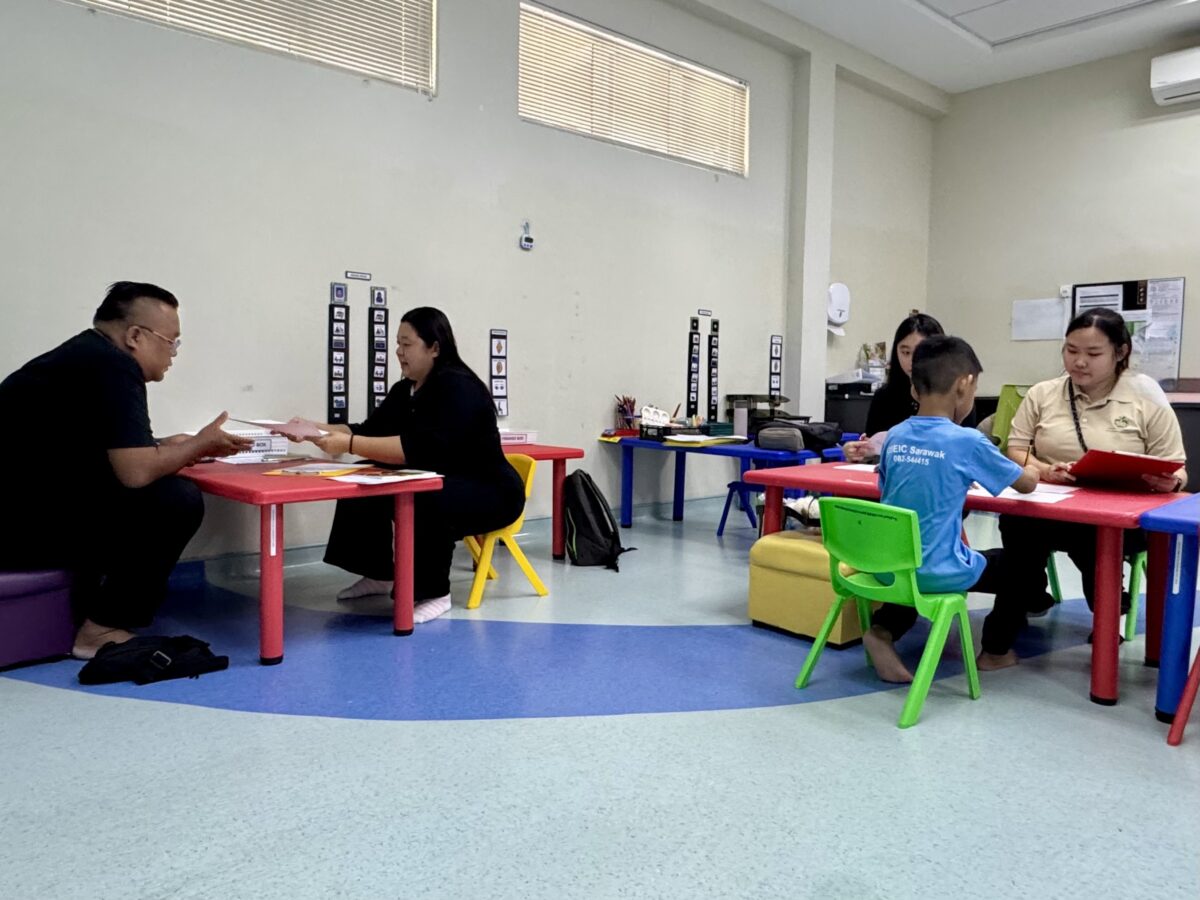
The Longitudinal Study and Impact Evaluation of Early Intervention Centres (EICs) in Sarawak is a multi‑year effort examining how early childhood intervention strengthens developmental outcomes, school readiness, and long‑term inclusion for children with disabilities. Year 2 focuses on short‑term progress since the 2025 baseline, generating evidence to guide the state’s ongoing expansion of EICs.
Early intervention is central to helping children build foundational skills, supporting families, and ensuring smoother transitions into preschool and primary school. The midline evaluation will assess how well Sarawak’s EIC model delivers these results, reviewing its effectiveness, efficiency, sustainability, and alignment with the Post-COVID-19 Development Strategy 2030. The findings will provide rigorous, actionable insights on how EICs contribute to early development and inclusive education, informing scalable, equitable approaches to early intervention across the state.
Project Highlights:
- Assessing how family environments, community support, EIC practices, and pre‑school/primary school linkages contribute to achieving program targets and improving long‑term outcomes for children with disabilities.
- Determining whether observed changes in children’s developmental progress, school readiness, and early inclusion can be directly linked to the EIC intervention model across different disability types.
- Building evidence on the effectiveness of the EIC approach in supporting children under seven to transition successfully into mainstream pre‑schools and primary schools.
- Providing clear, evidence‑based guidance to support Sarawak’s budget planning and scale‑up of efficient, effective, and sustainable early intervention models through public funding.