
Nepal:
Youth-led Adaptive Problem Solving For Inclusive Education in Lumbini
Donor: Britisish Embassy Kathmandu
Timeframe: November 2025 -March 2026
With support from development partner Aasaman Nepal and funding from British Embassy Kathmandu (BEK), IDP is implementing “Youth-Led Adaptive Problem-Solving for Inclusive Education” in Lumbini Province to strengthen inclusive, evidence-based education planning by centering youth voices. The program engages 24 youths with diverse backgrounds from three municipalities, ensuring their voices lead the process of identifying education system problems and their root causes, and designing solutions to test, iterate, and adapt, working closely with local and provincial system actors. Adapting the Problem-Drive Iterative Adaptation (PDIA) approach to systems change, this program aims to bridge the gap by placing youth at the center of problem identification and solution design, and by integrating provincial actors—the “missing middle” of federalism—into the process.
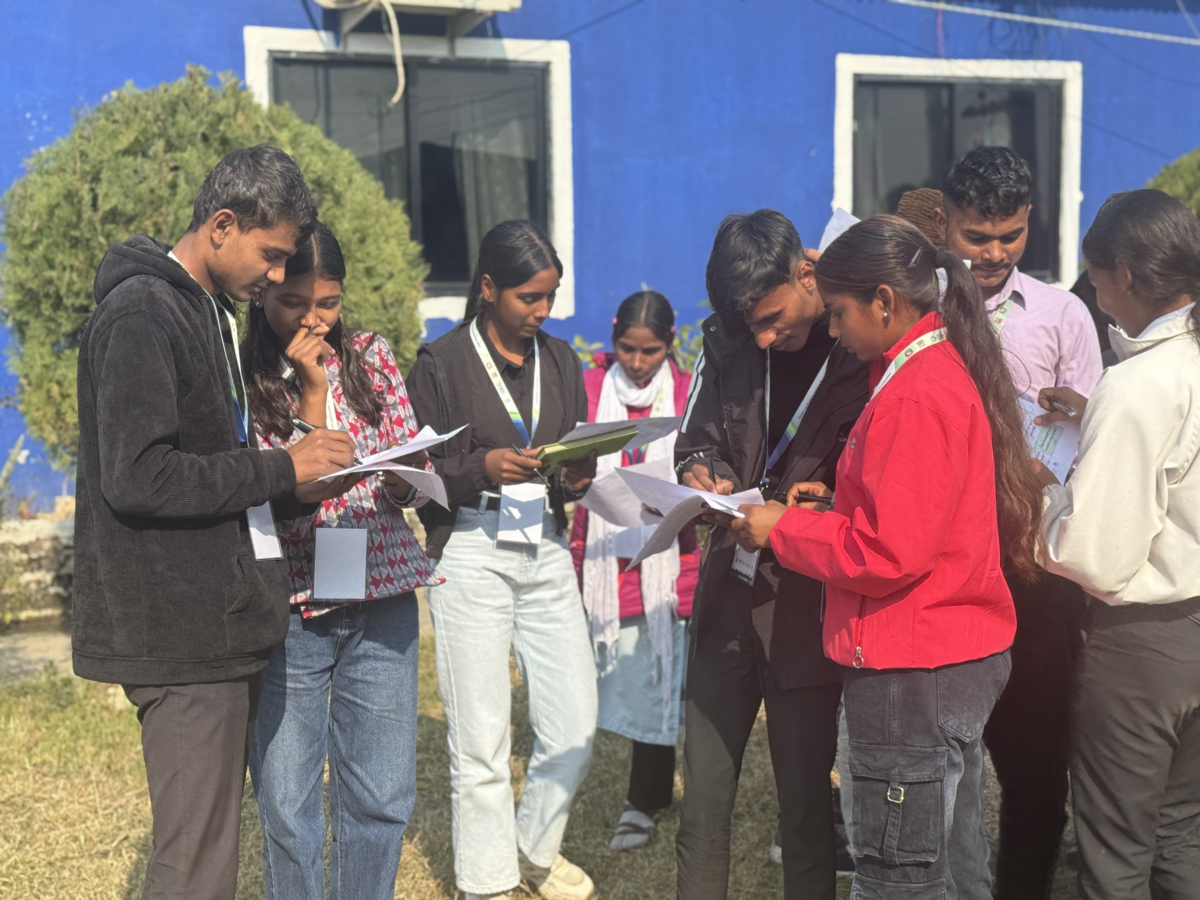
Project Highlights
- Partnered with Aasaman Nepal to design and facilitate a series of workshops using principles of Problem-Driven Iterative Adaptation (PDIA), guiding 24 youth from three municipalities through root cause analysis and solution design.
- Brought youth together with head teachers and local, provincial, and national education officials, creating direct channels between youth-generated evidence and the people with authority to act on it.
- Supported the piloting of four youth-designed actions, including a mobile phone use guideline, a teacher feedback app, teacher practice-sharing events, and parent-SMC engagement, in the schools the youth themselves attend.
- Built in structured reflection throughout implementation, helping the team adapt in real time, such as shifting parent-SMC outreach strategy after low turnout at the first three schools.